

Explanation
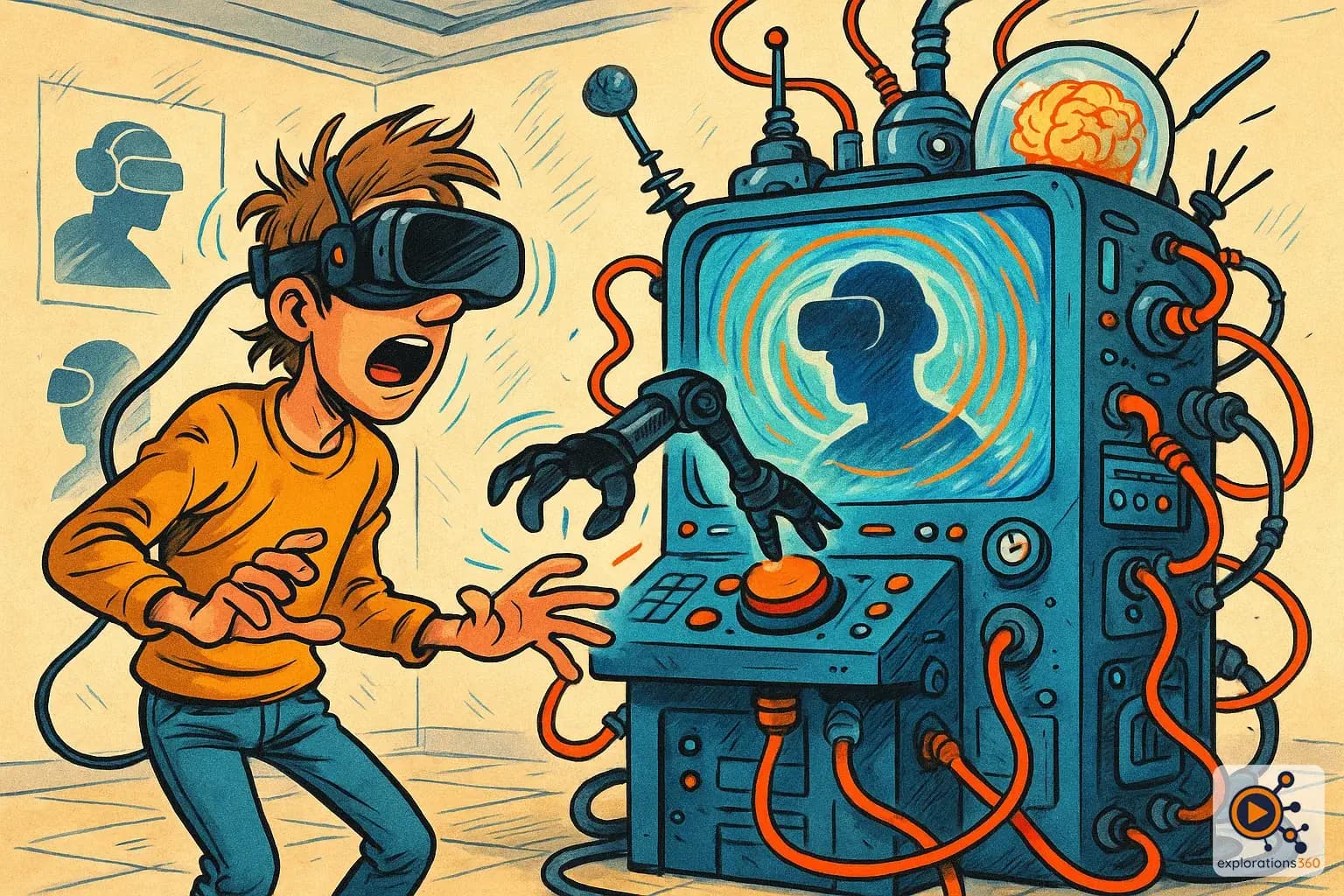
Software that helps the user by analyzing their behavior and proposing adapted actions in real time.
Real-world example
An assistant that suggests taking a break after 2 hours of VR usage, or automatically adjusts brightness based on the user's reactions.
Practical applications
- Fatigue prevention: suggesting breaks based on time spent or signs of fatigue
- Dynamic adaptation: adjusting difficulty, pace, or content based on performance
- Intelligent guidance: directing the user toward the right actions at the right time
- Post-session analysis: reports on behaviors, errors, and areas for improvement
Applications in VR
User well-being
- Detection of motion sickness symptoms
- Regular break reminders
- Automatic comfort adjustments
Example: The headset suggests a break after 45 minutes of continuous use
Adaptive training
- Learning paths that adapt to the learner's level
- Repetition of weak points
- Personalized progression
Example: A training module that focuses on the trainee's recurring mistakes
VR scenario
During a VR sales training session, the software detects that the learner hesitates at the same step every time. It automatically adds an additional explanation, then a guided practice session for that specific step. The training adapts to the individual, not the other way around.
Why it matters in professional VR
- Behavioral software transforms a static VR experience into a personalized learning journey
- It maximizes the effectiveness of each session by adapting in real time
- Key differentiator for professional training solutions: measurable, adaptive, intelligent