

Explanation
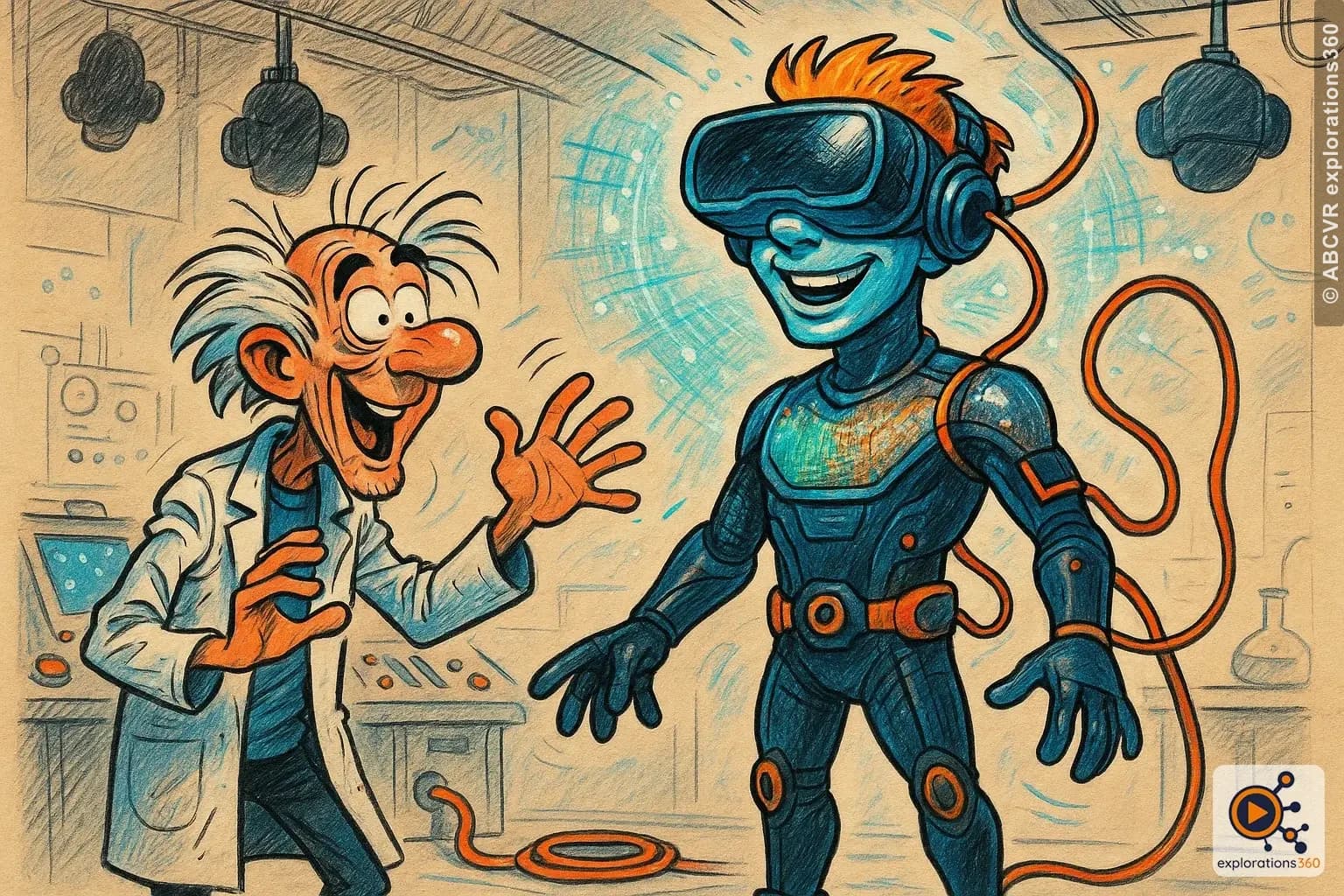
A graphical character - realistic or stylized - that represents the user in a virtual or augmented world. The avatar mirrors the user's movements and actions in real time.
Real-world example
A 3D character that raises its hand when you raise your real hand with a VR controller, or a simplified bust with facial expressions used in social VR.
Practical applications
- Social VR: embodied interactions between colleagues in a virtual meeting room
- VR training: playing a role (patient, client, technician) in immersive simulations
- Gaming: customizing your character to express your identity in the virtual world
- Medical rehabilitation: representing a patient in their physiotherapy exercises
Types of avatars in XR
Photorealistic avatars
- Created by photogrammetry or AI from photos/videos
- Faithful reproduction of real appearance
- Used in high-realism simulations
- Increasingly realistic with generative AI
Example: A digital twin of a trainer in a virtual classroom, reproducing their expressions and lip-sync
Stylized avatars
- Cartoon, low-poly, or abstract visual style
- Easier to generate and less resource-intensive
- Reduces uncanny valley discomfort
- Widely used in social and professional VR
Example: Meta Horizon-style avatars used in a virtual team meeting
VR scenario
In a collaborative VR meeting, each participant sees the avatars of their colleagues around a virtual table. If someone nods, their avatar nods too, creating a social presence that's impossible to achieve in a classic video call.
Why it matters in professional VR
- Avatars are essential for social presence in VR: without a body, interaction feels hollow
- They reduce the distance between real and virtual, fostering empathy and engagement
- Companies like Meta are investing billions in realistic avatars for the future of remote work