

Explanation
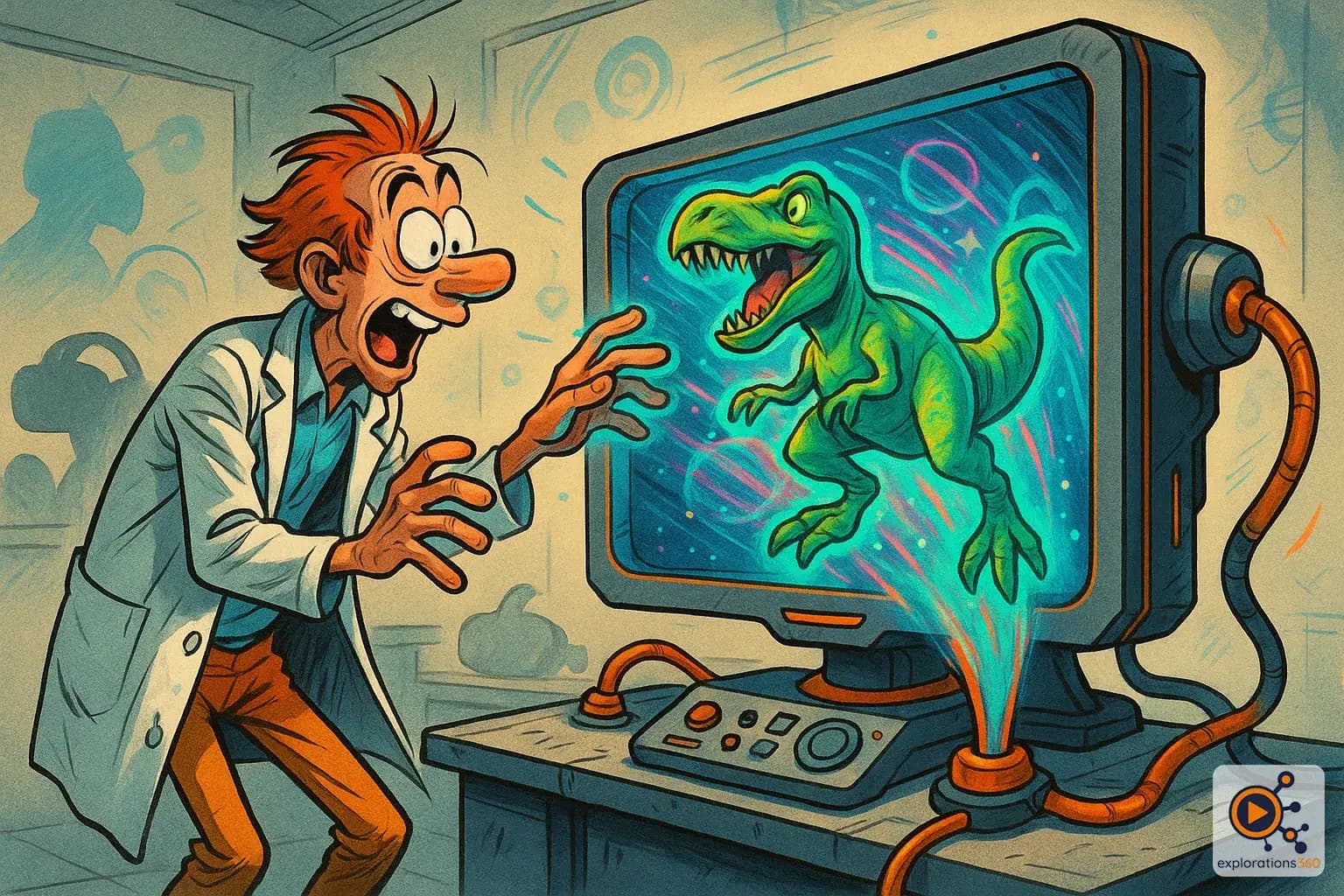
A display technology that allows viewers to perceive 3D depth without wearing any special glasses or equipment.
Real-world example
The Nintendo 3DS screen or certain 3D advertising billboards in the street that appear to pop out at you - no glasses required.
Practical applications
- Glasses-free 3D display: seeing depth without any equipment to wear
- Signage and advertising: eye-catching 3D panels in storefronts or public spaces
- Visualization screens: quick 3D preview without a headset
- Interactive kiosks: frictionless 3D experiences for the general public
Autostereoscopic technologies
Lenticular screens
- Array of micro-lenses in front of the display
- Each eye sees a different image
- Limited viewing position range
Example: Nintendo 3DS, certain professional 3D monitors
Parallax barrier
- Slits that direct light to each eye
- Less expensive than lenticular technology
- Effective resolution is reduced
Example: Certain 3D smartphones from the 2010-2015 era
VR scenario
In the window of a real estate agency, an autostereoscopic screen displays properties in 3D. Passersby see the depth effect without stopping or putting on glasses. A guaranteed "wow" moment - and a first step before offering a full VR tour.
Why it matters in professional VR
- Autostereoscopy provides a first 3D encounter with zero equipment friction
- Complementary to VR: it grabs attention before offering full immersion
- A niche technology but highly relevant in specific contexts (retail, events, exhibitions)