

Explanation
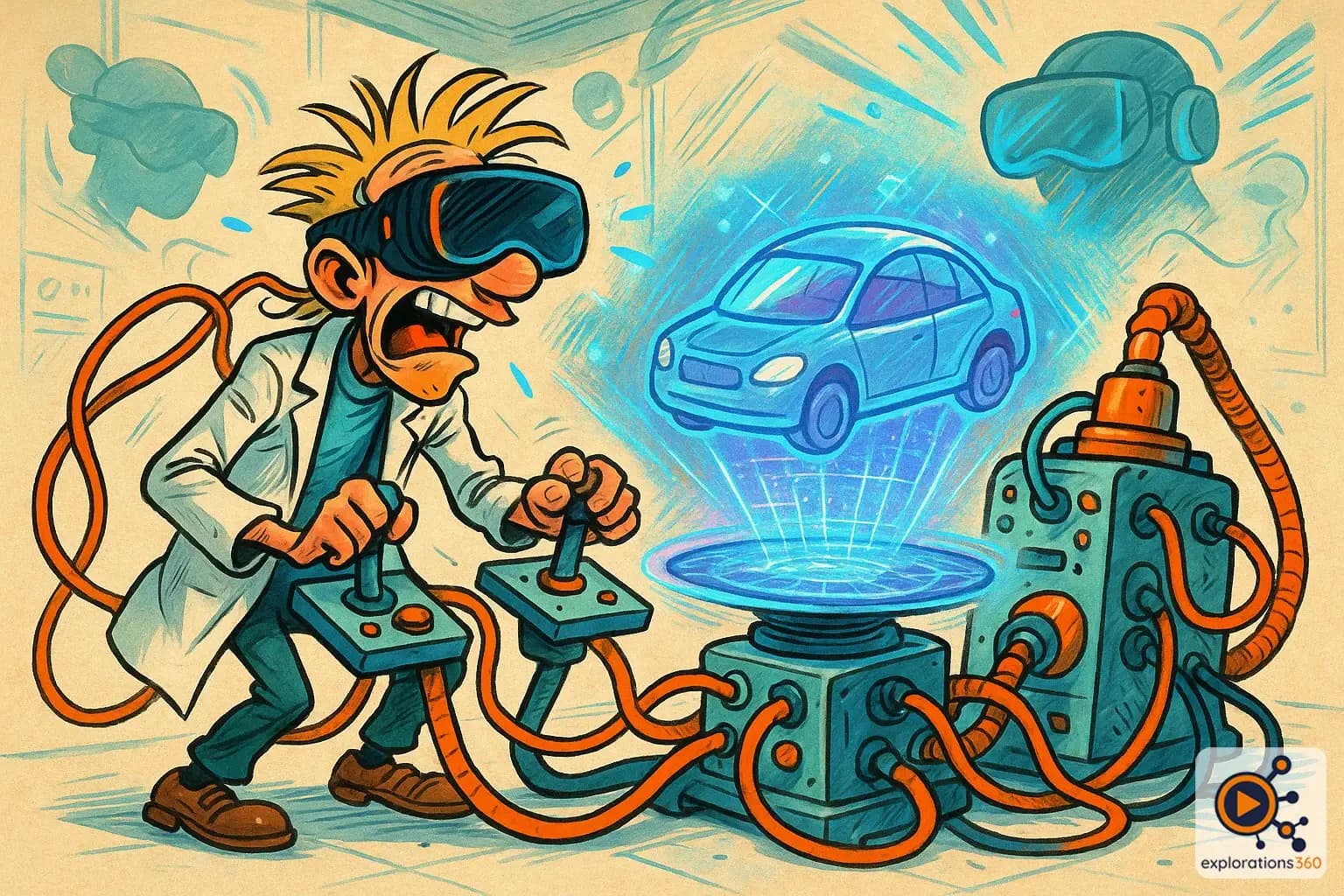
A test version of a product created and evaluated in a virtual environment before any physical manufacturing takes place. Virtual prototyping allows teams to validate design, ergonomics, and user experience early in the development cycle.
Real-world example
Testing the ergonomics of a new car interior in VR before building the first physical model.
Practical applications
- Design validation: testing ergonomics, proportions, and accessibility before manufacturing
- Collaborative project review: bringing designers, engineers, and clients together around the virtual prototype
- Cost reduction: avoiding expensive physical mockups and late-stage iterations
- Early user testing: validating the user experience before production
Virtual prototyping applications
Automotive industry
- Interior and exterior design review
- Cockpit ergonomics testing
- Customer configuration in VR showrooms
Example: BMW, Audi, and Renault use VR in their design process
Architecture and real estate
- Walking through buildings before construction
- Validating spaces and circulation flows
- Real-time client customization
Example: Touring your future apartment in VR before the foundation is laid
Consumer products
- Packaging, appliances, furniture
- Hands-on usability testing
- Virtual focus groups
Example: Testing the ergonomics of a new vacuum cleaner in VR
VR scenario
An automaker has users validate the cockpit of a new model in VR. They discover that the rearview mirror obstructs lateral visibility. The CAD correction is made and retested the next day. Without VR, this error would have cost weeks and thousands of euros in physical mockups.
Why it matters in professional VR
- Virtual prototyping reduces product development cycles by 20-50%
- Proven ROI in automotive, architecture, and manufacturing
- Competitive differentiator: faster decisions, fewer costly mistakes