

Explanation
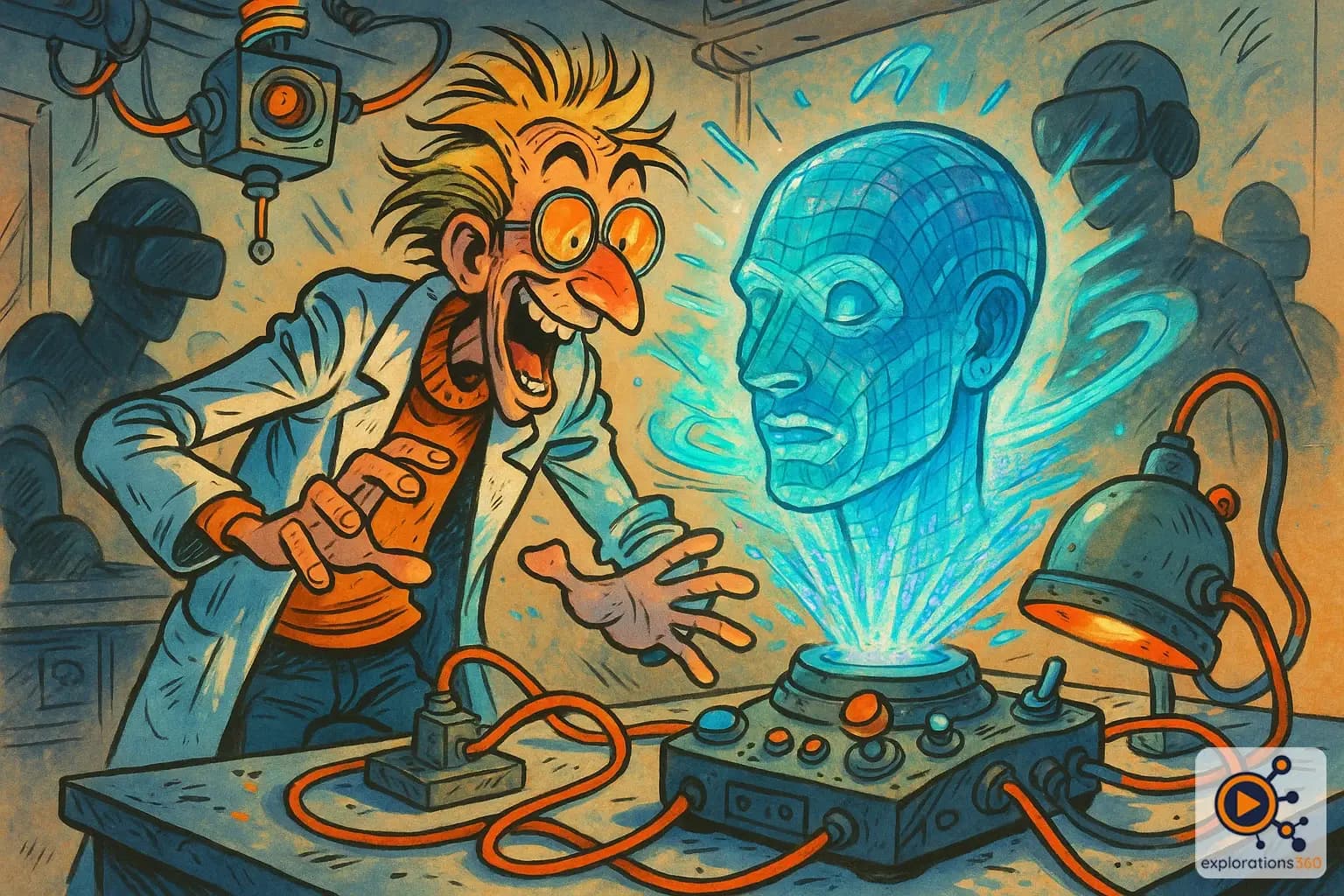
A three-dimensional image projected in space, visible without any special equipment.
Real-world example
Princess Leia in Star Wars, or concerts where deceased artists are "resurrected" as holograms.
Practical applications
- Spectacular communication: memorable presentations, events, and concerts
- Shared 3D visualization: multiple people see the same object without a headset
- Museum displays: historical or fragile objects presented as holograms
- Telepresence: appearing "in person" remotely
Reality vs fiction
True holograms (light interference)
- Recording on photosensitive medium
- 3D image viewable from different angles
- Real technology but limited (static)
Example: Holograms on bank cards, jewelry
"Holograms" in live shows (illusion)
- Pepper's Ghost technique (reflection on glass)
- Projection onto transparent screen or mist
- Very impressive but not true holograms
Example: Concerts of Tupac and Michael Jackson "resurrected"
VR scenario
At a conference, the CEO appears as a "hologram" on stage while being on the other side of the world. The effect is striking — they seem truly present. Behind the scenes, it is a sophisticated projection, not a true hologram, but the impact is undeniable.
Why it matters in professional VR
- Distinguish true holograms (rare, static) from show illusions (impressive but fundamentally different)
- True holography is an active field of research with recent breakthroughs
- While waiting for true holograms, AR often fulfills the same need (with a headset)